
What College Coaches Actually See (That You Might Be Missing)

Why Comparison Is Killing Your Game
Becoming a college basketball player is a dream shared by countless athletes. However, the journey to earning a college scholarship or walking onto a team requires more than just talent. It takes a combination of skill, hard work, and strategic preparation. Here’s what it takes to become a college-recruitable basketball player. 1. Skill Development College coaches look for players with advanced basketball skills. This includes shooting, ball handling, passing, defense, and basketball IQ. Players need to stand out in these areas to catch a coach’s attention. 2. Athleticism While skills are vital, athleticism is equally important. Speed, agility, strength, and endurance set players apart at the college level. College coaches often recruit players who can keep up with the physical demands of the game. 3. Basketball IQ and Decision-Making Understanding the game at a high level is essential. College coaches value players who can read the court, make smart decisions under pressure, and adapt to different situations. 4. Consistent Work Ethic Hard work and discipline are non-negotiable. College coaches look for players who demonstrate commitment both on and off the court. This includes maintaining high academic standards. 5. Exposure to College Coaches Talent and hard work can go unnoticed without the right exposure. Players need opportunities to showcase their abilities to college coaches. 6. Character and Leadership College programs want players who are leaders on and off the court. This includes good sportsmanship, teamwork, and a positive attitude. Why Choose Carolina Playmakers? At Carolina Playmakers, we are more than just a basketball program. We are a family dedicated to helping young athletes achieve their dreams. Our comprehensive approach combines skill development, athletic training, academic support, and recruiting assistance. If you’re serious about taking your game to the next level and becoming a college-recruitable player, Carolina Playmakers is here to guide you every step of the way. Contact us today to learn how we can help you reach your goals.

As the new year begins, it’s the perfect time for basketball players to set fresh goals and elevate their game. Whether you're a young athlete starting your basketball journey or a seasoned player aiming to take your skills to the next level, setting New Year’s resolutions can give you focus and motivation for the year ahead. At Carolina Playmakers, we believe in empowering young athletes to become not only better basketball players but also strong, confident individuals. Here are some basketball-related New Year’s resolutions and how Carolina Playmakers can support you in achieving them. 1. Improve Fundamental Skills Resolution: "This year, I will sharpen my dribbling, shooting, and defensive skills." Mastering the basics is key to becoming a great player. Dedicate time to consistent practice and focus on perfecting your form, footwork, and ball control. How Carolina Playmakers Can Help: We offer specialized training sessions designed to develop fundamental skills in young athletes. Our coaches provide hands-on guidance and tailored drills to help players of all skill levels grow their game. 2. Build Basketball IQ Resolution: "I want to understand the game better and make smarter decisions on the court." Basketball is more than physical talent; it’s also about strategy, teamwork, and knowing how to read the game. How Carolina Playmakers Can Help: Our program emphasizes basketball IQ development through game simulations, film study, and teaching players how to analyze situations on the court. We focus on teaching not just what to do but why to do it. 3. Enhance Physical Fitness Resolution: "This year, I will get stronger, faster, and improve my endurance." Physical conditioning is essential for competing at a high level. From speed and agility to strength and endurance, every aspect of your fitness contributes to your performance. How Carolina Playmakers Can Help: Our training sessions include conditioning exercises tailored to basketball players. By focusing on speed, strength, and agility, we ensure that our athletes are prepared to compete at their best. 4. Be a Better Teammate Resolution: "I will encourage my teammates, communicate effectively, and always bring positive energy." Basketball is a team sport, and being a great teammate can make you an invaluable asset to your team. How Carolina Playmakers Can Help: At Carolina Playmakers, we foster a family-like atmosphere where players learn to support and uplift one another. Through team-building activities and collaborative drills, we teach athletes the importance of communication, trust, and leadership on and off the court. 5. Compete with Confidence Resolution: "I will believe in myself and play with confidence in every game." Confidence comes from preparation, hard work, and a positive mindset. How Carolina Playmakers Can Help: We focus on developing not just physical skills but also mental toughness. Our coaches mentor players to believe in their abilities and face challenges with resilience. Whether it’s hitting a clutch free throw or bouncing back from a tough game, we’re here to help you build your confidence. Why Choose Carolina Playmakers in 2024? Carolina Playmakers isn’t just another basketball program—it’s a community dedicated to developing the next generation of female athletes. We’re passionate about creating opportunities for girls to shine in the sport and grow as individuals. From skill-building sessions to competitive tournaments, our program is designed to help players achieve their basketball goals while fostering a love for the game. If you’re ready to make 2024 your best year yet, Carolina Playmakers is here to help you every step of the way. Join us and let’s work together to turn your resolutions into reality. Start the year strong. Join Carolina Playmakers today and take the first step toward becoming the player you aspire to be!
The holiday season is a time for celebration, family, and rest—but for basketball players, it’s also an opportunity to stay sharp and elevate your game. While others might take a break, this is your chance to outwork the competition and refine your skills. Whether you're a player or a coach looking to guide your team, here are some tips for effective basketball workouts and skill development during the holidays. 1. Set a Holiday Schedule The holidays can be busy, so planning is key. Create a weekly schedule that balances family time, school obligations, and workouts. Consistency is essential—even short, focused sessions can make a big difference. Aim for 3-5 workouts per week to maintain and build upon your current skill set. 2. Focus on Fundamentals The holiday break is the perfect time to revisit the basics. No matter your skill level, fundamentals are the foundation of success in basketball. Dedicate time to: Ball-handling drills (e.g., stationary and on-the-move dribbling). Shooting mechanics (focus on form, release, and footwork). Passing drills (e.g., chest passes, bounce passes, and one-handed passes). Defensive footwork (lateral slides, closeouts, and positioning). 3. Incorporate Game-Like Scenarios Add game-speed drills to simulate real-game situations. This can include: 1-on-1 or small-sided games with friends or teammates. Shooting drills under pressure, such as timed challenges or contested shots. Transition drills to improve decision-making on the fast break. 4. Strength and Conditioning Basketball isn’t just about skills—your physical condition matters, too. During the holidays, integrate strength and conditioning workouts to build endurance, explosiveness, and agility. Focus on: Bodyweight exercises (push-ups, squats, planks). Plyometrics (box jumps, lateral bounds). Agility drills (ladder drills, cone sprints). Core strength (Russian twists, leg raises). 5. Utilize Limited Space If you're traveling or don't have access to a full gym, you can still get quality work done. Use your driveway, a park, or even a small indoor space to practice ball-handling, shooting form, or fitness exercises. Keep a basketball with you to work on hand strength and grip whenever you have downtime. 6. Watch and Learn Take advantage of your free time during the holidays to study the game. Watch professional or college games, analyze player movements, and observe how they create opportunities. You can also review your own game film to identify areas for improvement. 7. Set Goals for the New Year As the year comes to a close, reflect on your progress and set specific, measurable goals for the next season. Whether it's improving your shooting percentage, becoming a better defender, or earning more playing time, write down your objectives and create a plan to achieve them. Here’s a sample 60-minute workout you can do during the holidays: Warm-Up (5-10 minutes) Dynamic stretches (leg swings, arm circles, high knees). Light ball-handling drills (figure eights, crossovers). Skill Development (30 minutes) Ball-handling : 2-ball dribbling, zig-zag dribbling (5 minutes). Shooting : Form shooting (5 minutes), spot-up shooting (10 minutes), off-the-dribble shooting (10 minutes). Finishing : Layup variations (e.g., reverse, euro-step). Strength & Conditioning (15 minutes) Bodyweight circuit: 3 rounds of 10 push-ups, 15 squats, 20-second planks. Agility ladder drills or cone sprints. Cool-Down (5 minutes) Static stretching (hamstrings, quads, shoulders). Deep breathing exercises. Final Thoughts Staying consistent with your basketball workouts during the holidays doesn’t mean sacrificing time with family or fun traditions. By being intentional and disciplined, you can enjoy the best of both worlds—and return to the court in peak form when the season picks back up. Remember, the work you put in when others are resting can set you apart as a player. Use the holiday season to your advantage and keep striving for greatness!
Youth sports can be an incredible way for children to develop skills, build confidence, and create lasting friendships. For parents, seeing their child excel in athletics is exciting and rewarding. However, it’s essential to strike the right balance between being supportive and unintentionally adding pressure. Too much pressure can lead to burnout, anxiety, and even a loss of love for the sport. Here are some practical ways parents can encourage their young athletes while keeping the experience positive and enjoyable. 1. Focus on Effort Over Results One of the most impactful things parents can do is emphasize effort, improvement, and enjoyment over winning or achieving specific milestones. Celebrate your child’s hard work and growth rather than solely focusing on outcomes. For example, instead of saying, “Great job scoring 20 points,” try, “I’m proud of how hard you worked during the game.” This approach teaches kids to value persistence and resilience rather than tying their self-worth to performance. 2. Let the Coach Do the Coaching Parents play an essential role in their child’s sports journey, but it’s crucial to respect the boundary between parent and coach. Avoid giving your child unsolicited advice during games or practices, as this can create confusion and frustration. Trust the coach to handle strategy and skill development, and focus your energy on being a supportive cheerleader on the sidelines. 3. Encourage Open Communication Create an environment where your child feels comfortable discussing their feelings about their sport. Ask open-ended questions like, “What did you enjoy most about practice today?” or “How are you feeling about the upcoming game?” Listening without judgment allows your child to express themselves freely and helps you gauge their emotional well-being. 4. Avoid Living Vicariously Through Your Child It’s natural to feel pride in your child’s accomplishments, but be mindful not to project your own ambitions onto them. Remember that this is their journey, not yours. Allow them to set their own goals and decide how deeply they want to commit to their sport. By doing so, you’re helping them develop autonomy and a genuine passion for the game. 5. Model Positive Behavior Your child looks to you as a role model, so your behavior matters. Stay calm and respectful during games, even if calls don’t go your child’s way or their team is losing. Demonstrating good sportsmanship and a positive attitude teaches your child to handle adversity with grace. 6. Balance Sports With Other Interests Encourage your child to explore hobbies and interests outside of athletics. This not only helps them develop a well-rounded identity but also reduces the pressure to succeed in one specific area. If your child knows they’re valued for who they are—not just what they achieve on the field or court—they’re more likely to stay motivated and happy. 7. Be Mindful of Your Language The words you use can have a significant impact on how your child views their athletic experience. Avoid phrases that create pressure, such as “You have to win” or “This game is so important.” Instead, focus on affirming statements like, “I love watching you play” or “I’m proud of you no matter what.” 8. Teach the Value of Rest and Recovery Athletic success isn’t just about training harder; it’s also about smart recovery. Encourage your child to listen to their body and prioritize rest when needed. Support healthy habits like proper sleep, nutrition, and hydration, which are critical for both physical performance and overall well-being. 9. Recognize Signs of Burnout Keep an eye out for signs that your child may be feeling overwhelmed or losing interest in their sport. Symptoms of burnout can include fatigue, irritability, declining performance, or reluctance to attend practices or games. If you notice these signs, have an open conversation and consider scaling back their commitments to allow them time to recharge. 10. Celebrate the Little Things Finally, remember to celebrate the small victories and moments of joy. Whether it’s a good pass, a supportive gesture toward a teammate, or simply having fun on the court, these moments are what make sports meaningful. By focusing on the positives, you help your child build a lifelong love for athletics. Being a supportive parent to a young athlete involves finding the right balance between encouragement and allowing them to grow independently. By fostering a positive environment and prioritizing your child’s emotional and physical well-being, you can help them thrive in sports and beyond. After all, the ultimate goal isn’t just to raise great athletes—it’s to raise happy, confident, and resilient individuals.
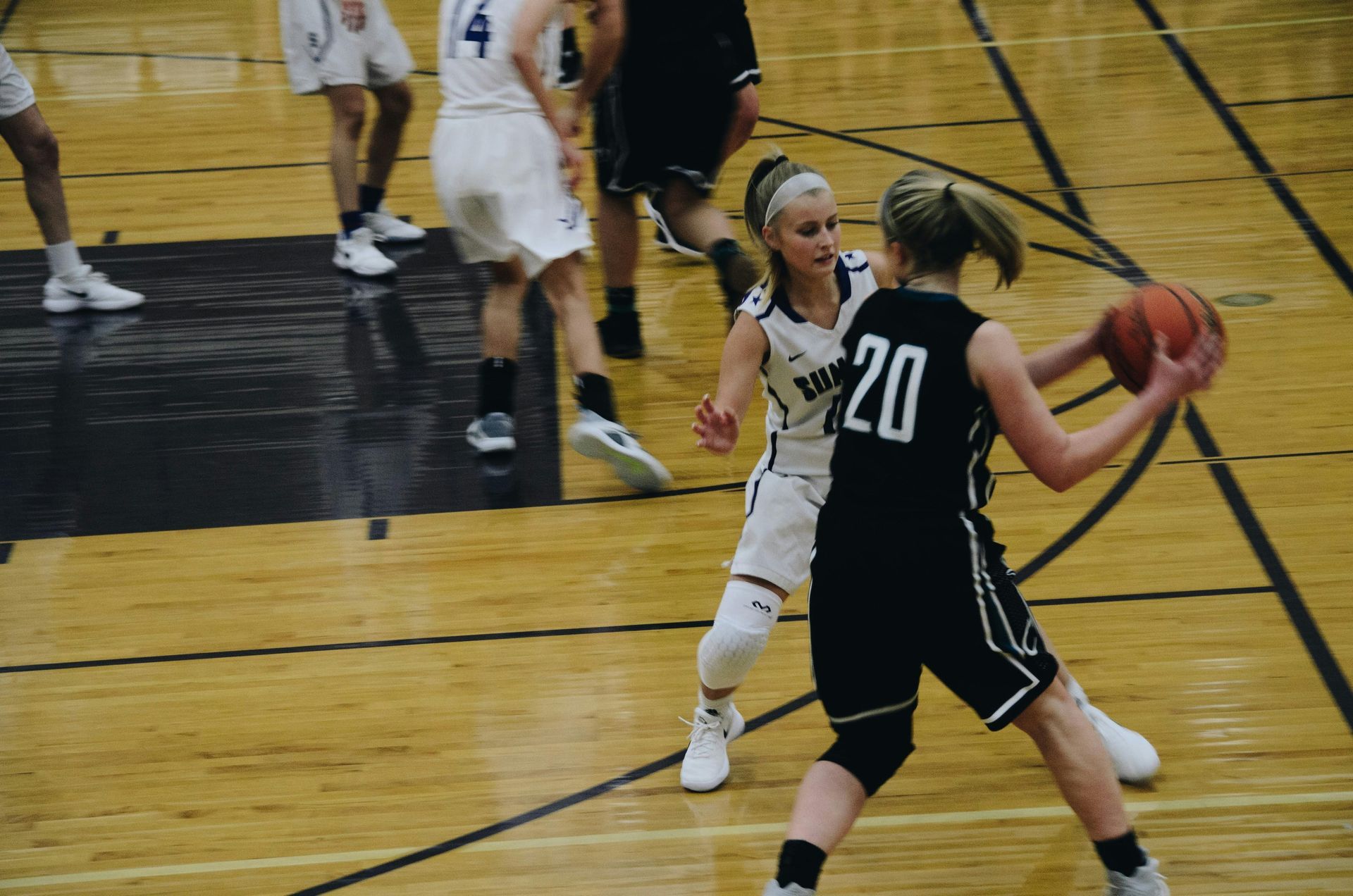
Women’s basketball is experiencing a transformative era, with remarkable growth from grassroots programs to elite professional leagues. Across the globe, the sport is breaking barriers, inspiring millions, and creating opportunities for female athletes to shine both on and off the court. Central to this growth is the expansion of grassroots initiatives, which have provided the foundation for countless players to develop their skills and ignite their passion for the game. This article explores the rise of women’s basketball, the impact of grassroots programs, and how organizations like Carolina Playmakers are shaping the future of the sport. The Role of Grassroots Basketball in Global Growth Grassroots basketball has become the heartbeat of the sport’s expansion. By focusing on community-based programs and youth development, basketball organizations worldwide have created accessible opportunities for girls to participate, learn, and thrive. These programs not only teach fundamental skills but also foster teamwork, discipline, and confidence. In countries like the United States, grassroots organizations such as AAU (Amateur Athletic Union) and Nike EYBL (Elite Youth Basketball League) have been instrumental in cultivating young talent. Internationally, initiatives in regions like Africa, South America, and Asia are bridging the gap, introducing the sport to communities where access to basketball facilities and coaching was once limited. These programs are breaking down cultural and financial barriers, empowering girls to dream big and pursue opportunities in basketball. Professional Leagues and Global Impact The success of grassroots programs is evident in the talent pipeline feeding professional leagues. The WNBA (Women’s National Basketball Association) in the United States has set the gold standard, showcasing the best talent while expanding its reach through increased media coverage and international player representation. Meanwhile, leagues such as the EuroLeague Women and the Women’s Chinese Basketball Association (WCBA) are thriving, creating opportunities for players to compete on a global stage. The popularity of international tournaments like the FIBA Women’s Basketball World Cup and the Olympics further demonstrates the global appeal of women’s basketball. These events unite players and fans from diverse backgrounds, highlighting the growth and potential of the sport. Carolina Playmakers: Building the Future At the heart of grassroots basketball development is Carolina Playmakers , a youth basketball organization dedicated to nurturing talent and instilling core values in young athletes. With a vision to become one of the most rewarding and impactful programs in North Carolina and beyond, Carolina Playmakers is leading the way in shaping the future of women’s basketball. Carolina Playmakers focuses on developing players both on and off the court, emphasizing mentorship, teamwork, and personal growth. The program’s mission includes: Skill Development: Providing individual instruction, team practices, and competitive game experiences to help players reach their full potential. Character Building: Teaching life lessons through basketball, fostering growth spiritually, academically, and athletically. Pathways to Success: Preparing players for high school and collegiate basketball, offering guidance in securing college scholarships and excelling academically. Community Engagement: Encouraging athletes to give back to their communities, promoting gratitude and service. Through these efforts, Carolina Playmakers is not only creating elite athletes but also shaping well-rounded individuals who can make a positive impact in their communities and beyond. Looking Ahead: The Future of Women’s Basketball The growth of women’s basketball is a testament to the power of grassroots initiatives and the unwavering dedication of players, coaches, and organizations. As programs like Carolina Playmakers continue to invest in youth development, the sport’s future looks brighter than ever. By fostering talent, building character, and breaking barriers, women’s basketball is poised to reach unprecedented heights. This movement is about more than just basketball; it’s about empowerment, opportunity, and creating a legacy for generations to come. With organizations like Carolina Playmakers leading the charge, the next wave of female athletes is ready to take the court and make their mark on the world.
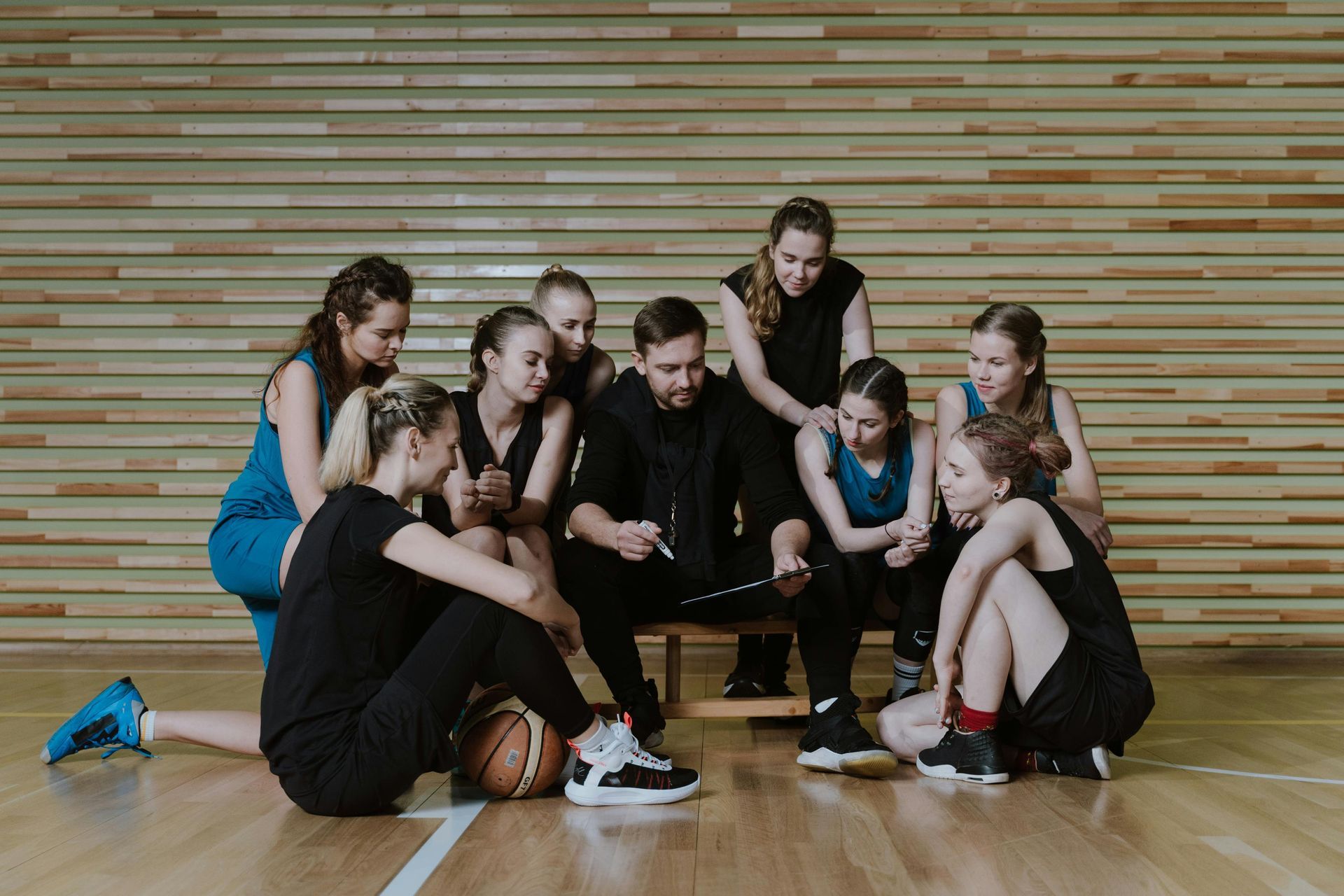
Sports have long been a platform for cultivating resilience, teamwork, and leadership skills. For young female athletes, the role of a coach is particularly crucial in shaping not only their athletic abilities but also their confidence and leadership potential. As more women step into leadership roles in business, politics, and other fields, the influence of sports and mentorship during formative years cannot be overstated. Here's a closer look at how coaches can serve as catalysts for developing female leaders through sports. 1. Creating a Safe and Empowering Environment For young female athletes, feeling safe and supported is essential to their growth. Coaches set the tone for an inclusive environment where athletes can take risks, make mistakes, and grow without fear of judgment. This atmosphere fosters self-belief and encourages players to step out of their comfort zones, a key trait of effective leaders. 2. Encouraging Communication and Collaboration Leadership is not just about giving orders; it's about building relationships and working together to achieve common goals. Coaches can encourage open communication among teammates, teaching young women how to express their ideas, listen actively, and resolve conflicts. These skills are invaluable in any leadership role, whether on the court or in the boardroom. 3. Modeling Leadership Behaviors Coaches are role models who exemplify leadership through their actions. By demonstrating qualities like integrity, accountability, and empathy, they provide a blueprint for young athletes to emulate. Female athletes who see these traits in action are more likely to incorporate them into their own leadership style. 4. Fostering Resilience and Perseverance Sports are filled with challenges—losses, injuries, and setbacks are inevitable. Coaches play a pivotal role in helping athletes navigate these difficulties. By emphasizing resilience and a growth mindset, they teach players how to turn adversity into opportunity. This resilience is a hallmark of successful leaders who can weather storms and keep their teams motivated. 5. Empowering Athletes to Take Ownership Leadership begins with taking responsibility. Coaches can encourage female athletes to take ownership of their training, decisions, and outcomes. This might involve assigning team roles, allowing players to lead drills, or involving them in game strategy discussions. When athletes feel a sense of agency, they build confidence in their ability to lead. 6. Celebrating Strength and Uniqueness A key part of leadership is recognizing and valuing diversity. Coaches can highlight the unique strengths of each athlete, showing them how their individual contributions enhance the team. This approach not only boosts self-esteem but also teaches athletes to appreciate the diversity of talents and perspectives in any group. 7. Promoting Opportunities Beyond Sports While athletic success is important, a coach’s influence extends far beyond the game. Coaches can inspire female athletes to apply the skills they’ve learned—discipline, teamwork, and strategic thinking—to other areas of their lives. By encouraging academic achievements, community involvement, and career aspirations, coaches help young women see themselves as leaders in all facets of life. 8. Advocating for Equal Opportunities Coaches have a unique platform to advocate for gender equality in sports and beyond. By fighting for resources, visibility, and opportunities for female athletes, they help break down barriers and create a culture where women’s contributions are valued. This advocacy sends a powerful message to young athletes about the importance of standing up for themselves and others. Carolina Playmakers: Empowering Female Leaders Through Basketball At Carolina Playmakers, we embrace the responsibility and privilege of shaping young female athletes into leaders both on and off the court. Our program is built on the principles of fostering confidence, resilience, and teamwork while providing a safe and empowering environment for every athlete to thrive. As a girls’ youth basketball organization, Carolina Playmakers is committed to celebrating the unique talents of each player and encouraging them to take ownership of their growth. We believe that by promoting opportunities beyond sports—through community involvement, academic support, and leadership training—our athletes will be equipped to make a lasting impact in their schools, communities, and future careers. Our coaches serve as role models, demonstrating the values of integrity, accountability, and empathy in everything we do. Through intentional mentorship and advocacy, we strive to create a culture where every young woman feels valued, capable, and prepared to lead. Final Thoughts The impact of a coach on a young female athlete can last a lifetime. By creating an environment that nurtures leadership, resilience, and self-confidence, coaches can empower the next generation of female leaders. As society continues to recognize the value of women in leadership roles, the lessons learned on the court or field will undoubtedly shape a brighter, more equitable future. At Carolina Playmakers, we are dedicated to this mission. Through basketball, we aim to inspire, empower, and prepare young women to realize their full potential—not just as players, but as leaders poised to make a difference in the world.